

In a world where plants and fish seem to live in their own separate realms, a quirky phenomenon called plantifishitus is making waves—literally! Imagine a vibrant underwater garden where fish frolic among lush greenery, creating an ecosystem that’s as entertaining as it is beautiful. This delightful blend of flora and fauna isn’t just a feast for the eyes; it’s a testament to nature’s creativity and resilience.
What Is Plantifishitus?
Plantifishitus refers to a unique underwater ecosystem where plants and fish coexist harmoniously. This dynamic environment features lush aquatic plants that provide shelter and food for various fish species. Fish swim among vibrant foliage, creating a stunning visual display that highlights nature’s creativity.
Certain factors contribute to the emergence of plantifishitus. Water quality, light levels, and plant species all play significant roles. Specific types of aquatic plants thrive in this ecosystem, such as Anubias, Java Fern, and Amazon Sword. These plants not only enhance beauty but also contribute to the overall health of the aquatic environment.
Fish species vary within this ecosystem, promoting biodiversity. Common fish found in plantifishitus environments include Neon Tetras, Guppies, and Betta Fish. These fish rely on the plant cover for both safety from predators and breeding grounds.
Maintaining plantifishitus involves careful monitoring of plant health and fish behavior. Regular maintenance ensures that plants receive adequate light and nutrients, while fish populations remain stable. Enthusiasts often engage in aquascaping to enhance the aesthetic appeal of their underwater gardens.
The coexistence of plants and fish results in particularly beneficial interactions. Plants release oxygen, improving overall water quality. Fish contribute to the nutrient cycle by producing waste, which serves as fertilizer for plants. This balance creates a visually appealing and ecologically viable environment, showcasing the intricate relationships within nature.
Causes of Plantifishitus
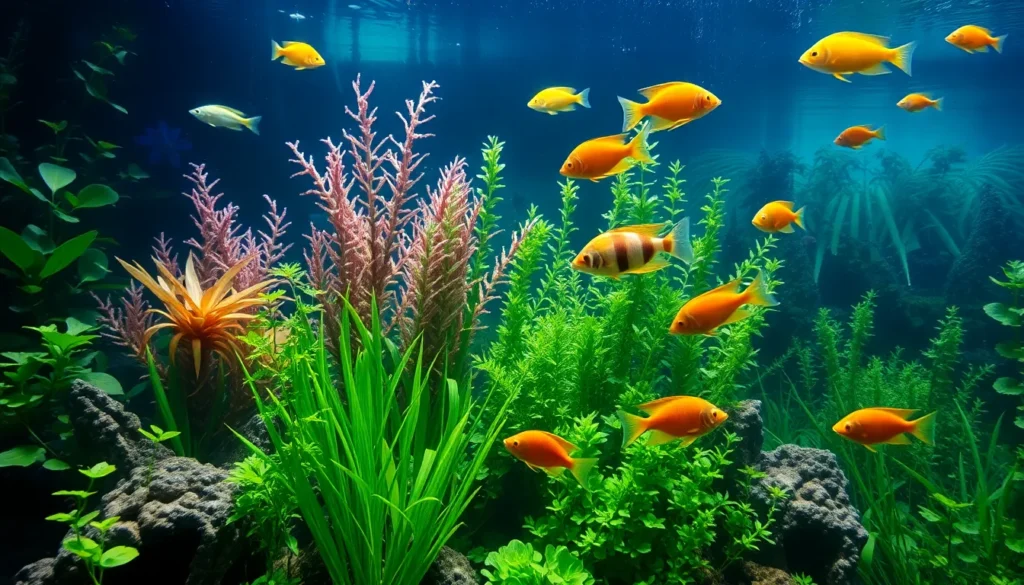
Several key factors contribute to the development of plantifishitus. Understanding these factors enhances the appreciation of this vibrant underwater ecosystem.
Environmental Factors
Water quality plays a crucial role in plantifishitus. Parameters such as pH, hardness, and temperature affect the health of both plants and fish. Insufficient light can hinder plant growth while excessive algae blooms may disrupt the ecosystem. Nutrient levels also influence the delicate balance of life, as deficiencies or excesses can lead to poor plant health or unhealthy fish. Additionally, the composition of the substrate impacts plant rooting and nutrient absorption, further shaping the underwater garden.
Genetic Predisposition
Genetic factors can influence susceptibility to plantifishitus. Certain fish species may thrive better in this environment due to innate behaviors and adaptations. For instance, some fish naturally exhibit a preference for areas rich in vegetation, providing both food and cover. Plants vary in their ability to coexist with particular fish species as well, as some are more robust against disturbances. A combination of inherited traits and environmental influences defines how well life flourishes within this unique habitat.
Symptoms of Plantifishitus
Symptoms of plantifishitus can range from mild to severe, affecting both aquatic plants and fish. Recognizing these symptoms is essential for maintaining a balanced ecosystem.
Common Symptoms
Common symptoms include drooping plant leaves and decreased fish activity. Plants may show yellowing or wilting, indicating insufficient nutrients or light. Fish might become less active or avoid certain areas of the aquarium. Algae growth may increase, covering plant surfaces and competing for resources. Overall, these signs suggest that intervention may be necessary to restore balance.
Severe Symptoms
Severe symptoms indicate a critical decline in ecosystem health. Complete plant decay often occurs when water quality deteriorates significantly. Fish may exhibit erratic swimming behavior, gasping at the water’s surface, or clustering near filtration outlets. In extreme cases, fish may experience unusual coloration changes or develop lesions. These indicators necessitate immediate action to remedy underlying issues and protect the aquatic environment.
Diagnosis of Plantifishitus
Diagnosing plantifishitus involves careful assessment of both plants and fish in the ecosystem. Evaluation of symptoms provides insights into the overall health of the underwater garden.
Medical Evaluations
Aquarists often start with visual inspections to assess plant conditions. Changes like leaf discoloration may indicate nutrient deficiencies. Fish behavior also requires attention; lethargy or erratic swimming patterns suggest stress. Regular checks of water parameters directly correlate with plant and fish health. Parameters include pH levels, temperature, and ammonia content. Consultation with aquatic health specialists enhances understanding of specific symptoms and possible treatments.
Diagnostic Tools
Several tools assist in diagnosing plantifishitus effectively. Test kits help monitor water quality parameters such as pH, nitrate, and hardness. Aquarists often employ magnifying glasses to examine plants for pests like aphids or fungal infections. Observation nets enable careful monitoring of fish behavior and interactions with plants. Additionally, digital temperature gauges provide swift data on fluctuations that may impact ecosystem health. Combining these tools allows for a comprehensive assessment of the aquatic environment.
Treatment Options for Plantifishitus
Effective treatment options for plantifishitus focus on restoring balance within the aquatic ecosystem. Both medications and lifestyle changes can play crucial roles in maintaining overall health.
Medications
Medicinal interventions often involve specific treatments for diseases affecting fish and plants. Antifungal medications may treat infections on foliage or fish. Antibiotic treatments address bacterial infections that could compromise fish health. Quarantining affected fish reduces the spread of illness. Utilizing medicated food supports recovery in infected fish by delivering nutrients and medicine simultaneously. Additionally, herbal remedies offer a more natural alternative to traditional treatments, promoting overall well-being.
Lifestyle Changes
Lifestyle adjustments can greatly enhance the ecosystem’s health. Regular water changes improve water quality, removing harmful substances and maintaining optimal conditions. Adjusting light exposure boosts plant growth while limiting algae proliferation, establishing a healthier environment. Ensuring a diverse plant selection encourages balance by catering to the needs of various fish species. Herding fish creates more natural schooling behavior, reducing stress and encouraging activity. Implementing proper maintenance routines enables aquarists to monitor changes effectively, promoting long-term health and stability within the underwater garden.
Plantifishitus represents a captivating blend of aquatic life and lush vegetation. This unique ecosystem thrives on the delicate balance between fish and plants, each playing a vital role in maintaining overall health. By understanding the factors that contribute to its success and recognizing the symptoms of distress, aquarists can create a thriving underwater paradise.
With proper care and attention, it’s possible to foster a vibrant environment that showcases the beauty of both flora and fauna. Embracing the intricacies of plantifishitus not only enhances the visual appeal of aquariums but also contributes to the well-being of its inhabitants. Ultimately, nurturing this dynamic ecosystem leads to a rewarding experience for both the aquarist and the aquatic life they cherish.


